Most people meet Lutron as a dimmer. In a large home, that is the least interesting thing it makes. Our Ottawa showroom runs on Lutron HomeWorks — not a brochure on a shelf — because what matters is never the parts but the moment they make together: the light, the shades and the warmth of a room all moving as one, and no one in the house reaching for a thing.
When the room knows the hour
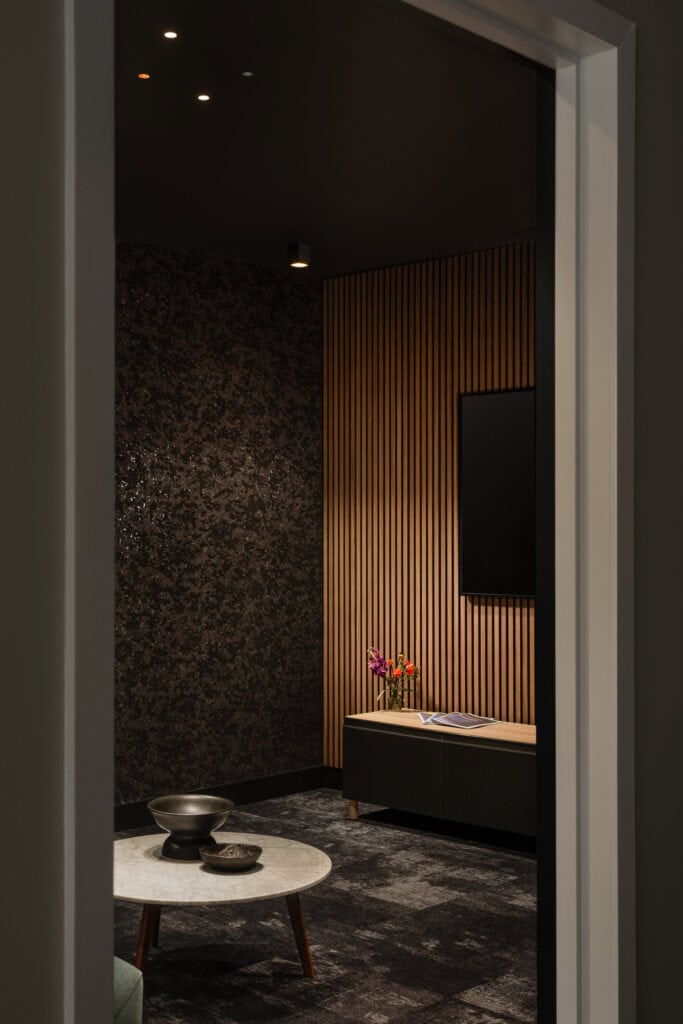
Late in the day a great room should settle on its own — the daylight thinning, the lamps rising to meet it, nothing announced. That is the work of Lutron HomeWorks: not smart lighting added to a finished house, but the lighting control system a whole home is built around — up to ten thousand points of light across fifty thousand square feet, coordinated so completely that you stop noticing the system altogether.
It talks to itself over Clear Connect, Lutron’s own frequency rather than your Wi-Fi, so when the internet drops the evening carries on exactly as it was. And where the light itself matters most, Ketra tunes it by the hour and dims it to a tenth of one percent without a flicker or a step. That is the difference between a room that goes dark and one that goes quiet. Come and stand in ours.
The one surface you ever touch
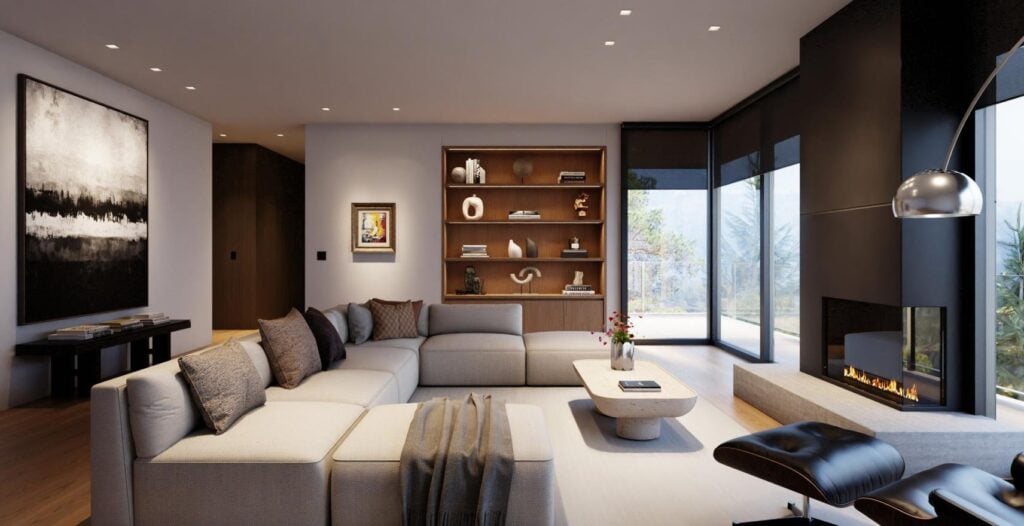
Everything else disappears — buried in a ceiling, tucked in a closet. What stays on the wall, at eye height, in the room the designer laboured over for months, is a single keypad. Lutron makes them — Palladiom, Alisse, Aviena — in metal and glass, engraved rather than labelled, in finishes chosen to sit beside the door hardware rather than argue with it. Set one against the six mismatched plastic switches it replaces, and the argument makes itself.
The view, kept or given away
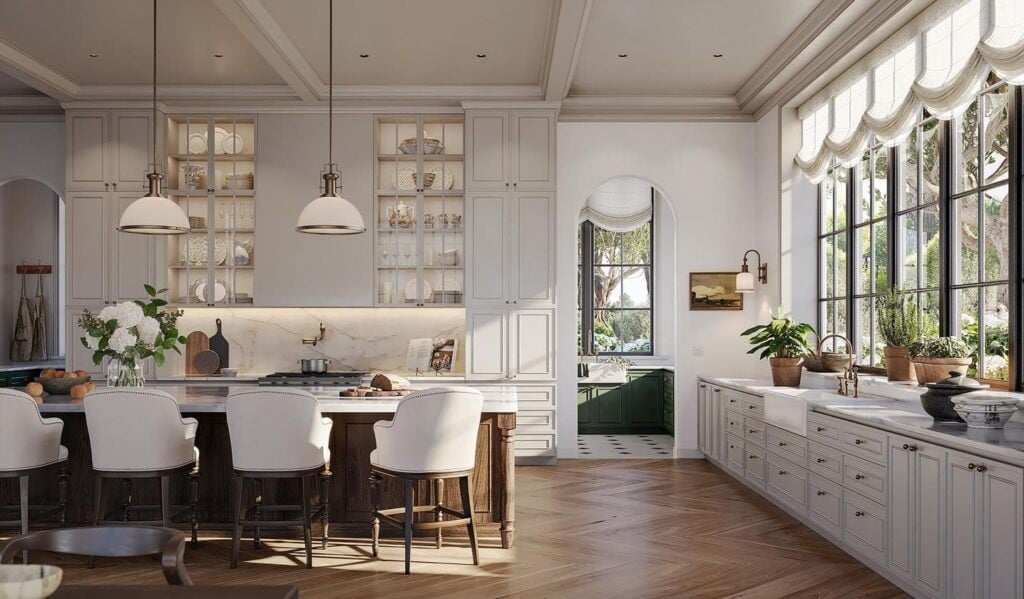
A shade is not really about the window; it is about the view, and how much of it you keep. Lutron’s Palladiom and Sivoia motorized shades come from the same ecosystem as the lighting controls, and because they share the same platform, the shades respond automatically to daylight while the electric light adjusts to hold the comfort of the room. They are, in a sense, light drawn in cloth.
The decision that actually matters is the weave: a one, three or five percent openness lets through very different amounts of daylight and holds very different amounts of the view — and nobody has ever understood that from a sample card. So we hang them in the showroom in a range of openness, and you stand behind the cloth, look out, and watch what each one does to the room. Because the shades and the light are one system, the shading can track the sun while the light rises to meet it — the whole room keeping pace with the afternoon, no one deciding anything.
It listens to the rest of the house
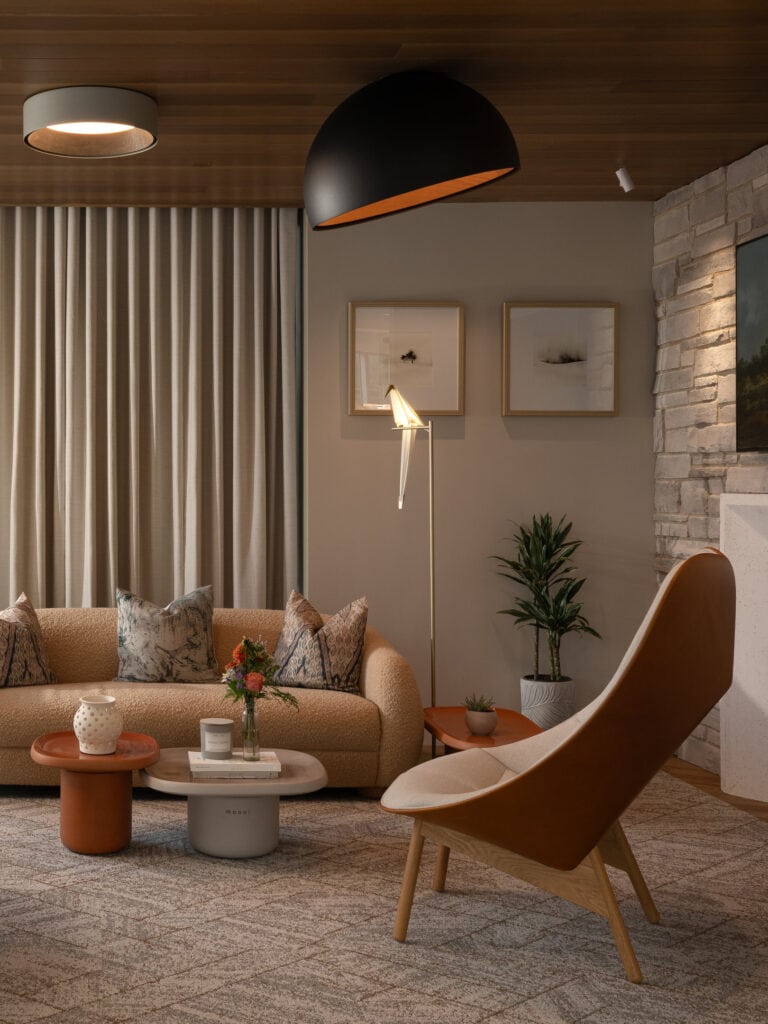
The best of this does not stop at the light. This is where home automation earns the name: Josh.ai gives the house a voice — a room answered by name, with no keypad on the wall at all — and Sonance gives it sound, speakers plastered invisibly into the drywall so nothing competes with the millwork. Both run alongside HomeWorks in our showroom, which is the only honest way to show that things made by different companies truly work as one.
An experience does not photograph
Lighting is the hardest thing in a house to choose from a brochure, because what you are really buying is an experience — and an experience does not photograph. So we built a room for it. In our Ottawa showroom you can watch a Ketra scene walk a whole day of colour temperature in a few minutes, take a room down to a tenth of one percent, and hold shade cloth up against real Ottawa daylight. Come and stand in it. It takes an hour, and it will change what you ask for.
Come and stand in the room
Our Ottawa showroom runs on HomeWorks — the keypads on the wall, the shades on the glass, Ketra overhead, all of it live. Put your hand on the keypad, ask for the evening, and watch the entire room answer.

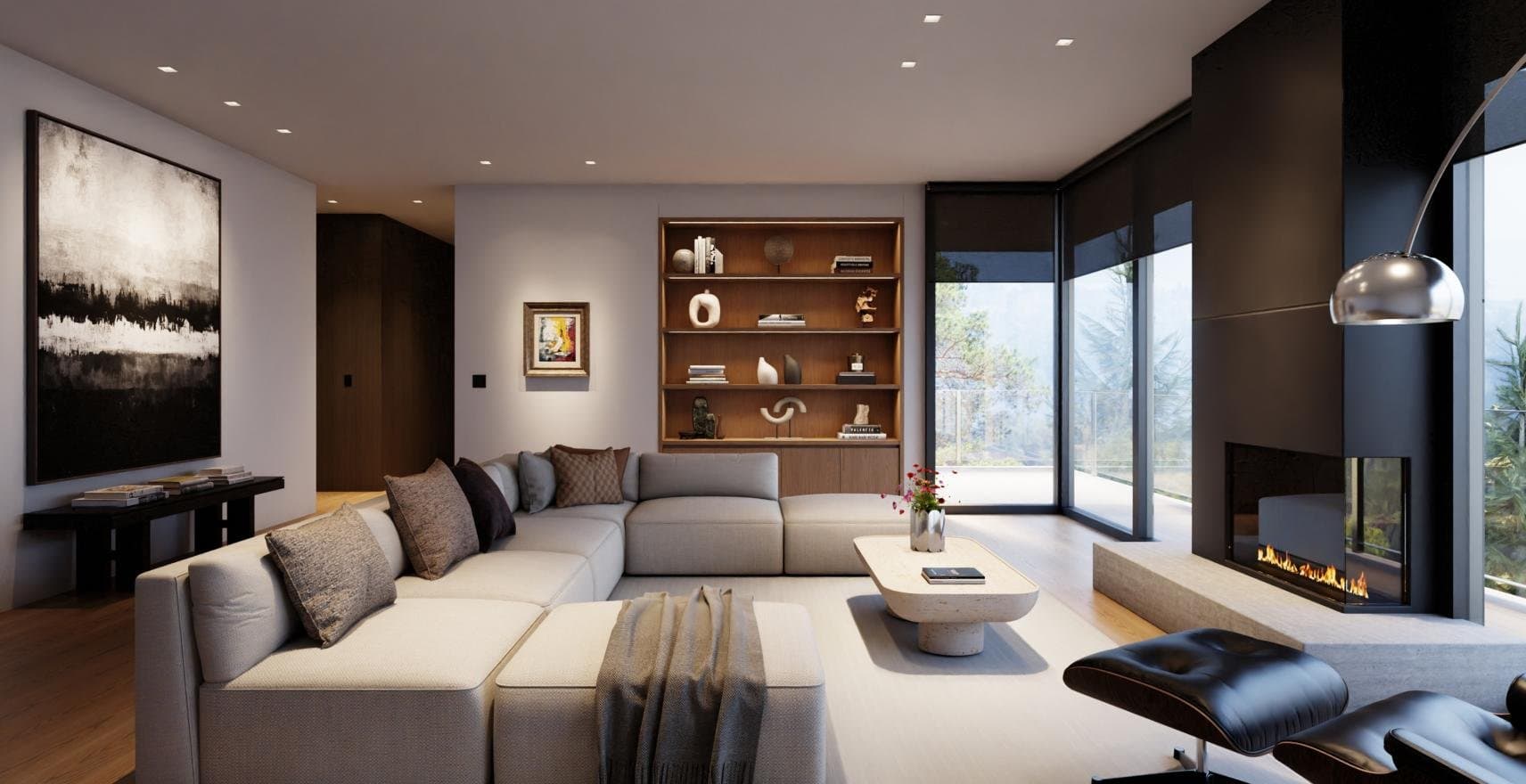
Most people meet Lutron as a dimmer. In a large home, that is the least interesting thing it makes. Our Ottawa showroom runs on Lutron HomeWorks — not a brochure on a shelf — because what matters is never the parts but the moment they make together: the light, the shades and the warmth of a room all moving as one, and no one in the house reaching for a thing.
When the room knows the hour
Late in the day a great room should settle on its own — the daylight thinning, the lamps rising to meet it, nothing announced. That is the work of Lutron HomeWorks: not smart lighting added to a finished house, but the lighting control system a whole home is built around — up to ten thousand points of light across fifty thousand square feet, coordinated so completely that you stop noticing the system altogether.
It talks to itself over Clear Connect, Lutron’s own frequency rather than your Wi-Fi, so when the internet drops the evening carries on exactly as it was. And where the light itself matters most, Ketra tunes it by the hour and dims it to a tenth of one percent without a flicker or a step. That is the difference between a room that goes dark and one that goes quiet. Come and stand in ours.
The one surface you ever touch
Everything else disappears — buried in a ceiling, tucked in a closet. What stays on the wall, at eye height, in the room the designer laboured over for months, is a single keypad. Lutron makes them — Palladiom, Alisse, Aviena — in metal and glass, engraved rather than labelled, in finishes chosen to sit beside the door hardware rather than argue with it. Set one against the six mismatched plastic switches it replaces, and the argument makes itself.
The view, kept or given away
A shade is not really about the window; it is about the view, and how much of it you keep. Lutron’s Palladiom and Sivoia motorized shades come from the same ecosystem as the lighting controls, and because they share the same platform, the shades respond automatically to daylight while the electric light adjusts to hold the comfort of the room. They are, in a sense, light drawn in cloth.
The decision that actually matters is the weave: a one, three or five percent openness lets through very different amounts of daylight and holds very different amounts of the view — and nobody has ever understood that from a sample card. So we hang them in the showroom in a range of openness, and you stand behind the cloth, look out, and watch what each one does to the room. Because the shades and the light are one system, the shading can track the sun while the light rises to meet it — the whole room keeping pace with the afternoon, no one deciding anything.
It listens to the rest of the house
The best of this does not stop at the light. This is where home automation earns the name: Josh.ai gives the house a voice — a room answered by name, with no keypad on the wall at all — and Sonance gives it sound, speakers plastered invisibly into the drywall so nothing competes with the millwork. Both run alongside HomeWorks in our showroom, which is the only honest way to show that things made by different companies truly work as one.
An experience does not photograph
Lighting is the hardest thing in a house to choose from a brochure, because what you are really buying is an experience — and an experience does not photograph. So we built a room for it. In our Ottawa showroom you can watch a Ketra scene walk a whole day of colour temperature in a few minutes, take a room down to a tenth of one percent, and hold shade cloth up against real Ottawa daylight. Come and stand in it. It takes an hour, and it will change what you ask for.
Come and stand in the room
Our Ottawa showroom runs on HomeWorks — the keypads on the wall, the shades on the glass, Ketra overhead, all of it live. Put your hand on the keypad, ask for the evening, and watch the entire room answer.