Ask the room for the evening, and it answers — the lights settle, the shades come down, the music finds you. Josh.ai is voice control for a whole house, and nothing like the plastic puck on a kitchen counter: no wake-word novelty, no account quietly listening to sell you something. In Ottawa it usually arrives hidden inside a Lutron keypad you were installing anyway.
The wall keeps its buttons, and gains a voice
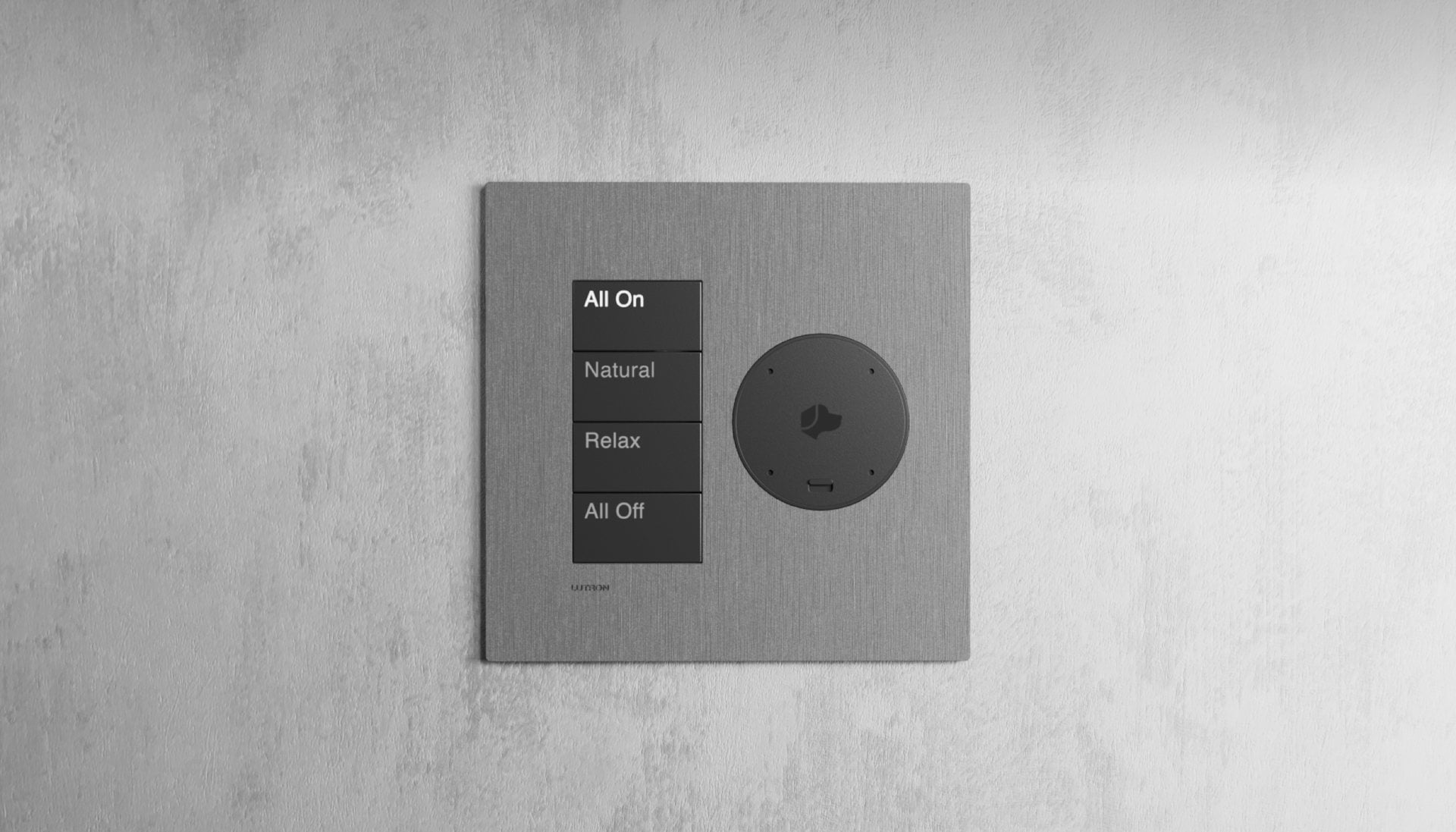
Josh and Lutron built a keypad together. The microphone — the Josh Nano — is set into a Palladiom or Claro keypad, so the wall keeps the buttons your family already knows by heart and gains everything a button cannot do. Lutron publishes it as a single product, in the finishes you were choosing anyway: Palladiom in Satin Nickel or Polished Graphite, Claro in Snow White or Midnight. When we design the control for a home, the keypads are Lutron already — so choosing the Josh version is not adding a gadget to the house. It is choosing a different faceplate on a wall plate that was going in regardless.
One sentence, and the whole room moves
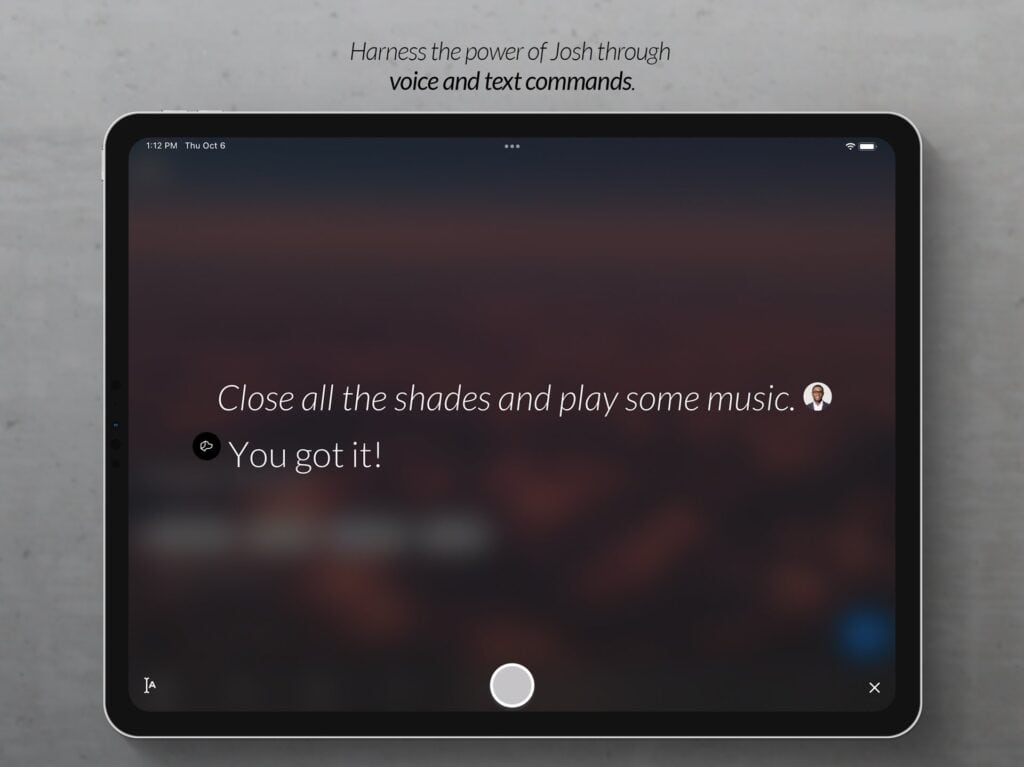
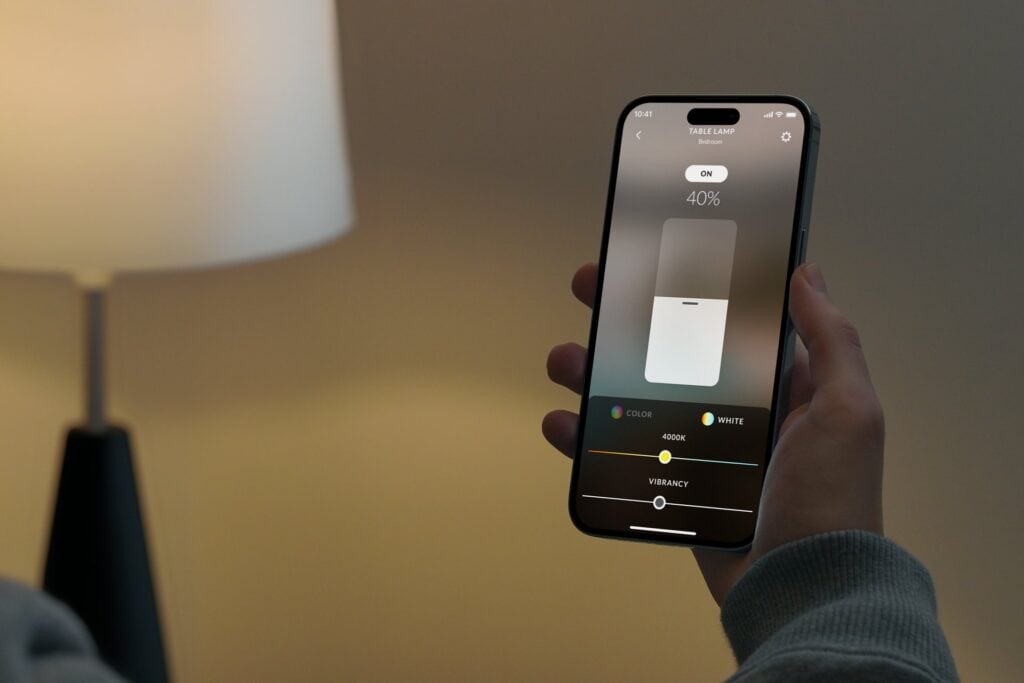
Josh understands a whole sentence, so one request can carry several outcomes. “Goodnight, and wake me at six” dims the house and sets the alarm in a breath. “Draw the sheers halfway” takes the shades to a position, not just open or shut. And because it speaks Ketra natively, you can ask for a colour of light by name — a palette past sixteen million shades, unusable from a keypad and effortless in a sentence. It reaches the rest of the house the same way: the lights, the shades, the music, the climate, the cameras, the fireplace, the door at the gate.
A switch, not a promise
For most of the homes we work in, this is where the conversation actually begins. The Josh Nano carries a hardware disconnect — a physical switch that cuts power to the microphones, not a software mute you have to trust. Josh.ai does not share what it hears for marketing and does not sell it for advertising. It is the rare piece of technology that becomes more reassuring the closer you look, not less.
What it quietly asks of the house
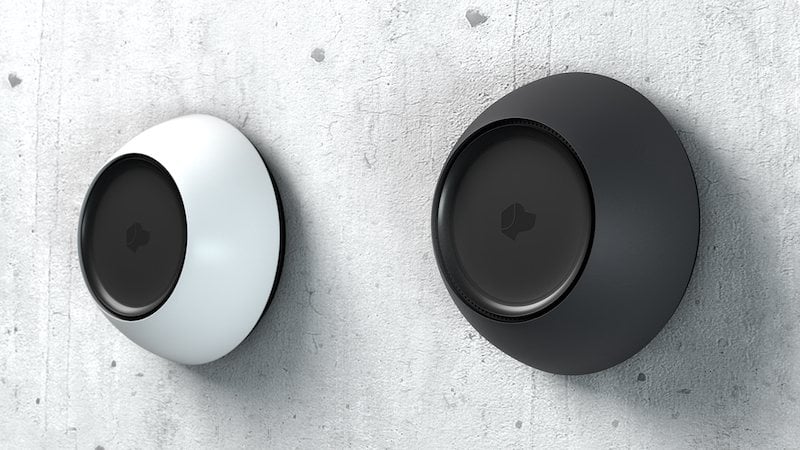
Josh is not something you buy and plug in. Underneath the voice sits Josh Core — the brain of the system — a software licence, and a real network, not the router the builder left in the closet. That is a design decision, not a shopping one: cheap to get right while the walls are open, expensive to retrofit later. The microphone itself is barely there — forty-two millimetres square, three deep, smaller than a coin — in Coral White or Jet Black, and it can be painted to vanish into the wall. When it answers, it speaks through the home’s own speakers, never a tinny voice of its own.
While the wall is still open
Where the keypads go, and where the network runs, is settled while the walls are still open — and that is the moment voice is won or lost. If it is something you might want in three years, the time to say so is now, because the wall you would want it in is being framed this month. So we install Josh in the media room of our Ottawa showroom, where you can talk to it long before you commit to it. Start with Lutron and Ketra, see how the pieces meet in lighting control and automated shading, and then come and talk to us.
Ask it a question
Josh is installed in the media room of our Ottawa showroom, set into a Palladiom keypad on the wall. Ask it for something, and watch where it looks for the answer. It is the fastest hour you will spend understanding what it is — and what it is not.

Ask the room for the evening, and it answers — the lights settle, the shades come down, the music finds you. Josh.ai is voice control for a whole house, and nothing like the plastic puck on a kitchen counter: no wake-word novelty, no account quietly listening to sell you something. In Ottawa it usually arrives hidden inside a Lutron keypad you were installing anyway.
The wall keeps its buttons, and gains a voice
Josh and Lutron built a keypad together. The microphone — the Josh Nano — is set into a Palladiom or Claro keypad, so the wall keeps the buttons your family already knows by heart and gains everything a button cannot do. Lutron publishes it as a single product, in the finishes you were choosing anyway: Palladiom in Satin Nickel or Polished Graphite, Claro in Snow White or Midnight. When we design the control for a home, the keypads are Lutron already — so choosing the Josh version is not adding a gadget to the house. It is choosing a different faceplate on a wall plate that was going in regardless.
One sentence, and the whole room moves
Josh understands a whole sentence, so one request can carry several outcomes. “Goodnight, and wake me at six” dims the house and sets the alarm in a breath. “Draw the sheers halfway” takes the shades to a position, not just open or shut. And because it speaks Ketra natively, you can ask for a colour of light by name — a palette past sixteen million shades, unusable from a keypad and effortless in a sentence. It reaches the rest of the house the same way: the lights, the shades, the music, the climate, the cameras, the fireplace, the door at the gate.
A switch, not a promise
For most of the homes we work in, this is where the conversation actually begins. The Josh Nano carries a hardware disconnect — a physical switch that cuts power to the microphones, not a software mute you have to trust. Josh.ai does not share what it hears for marketing and does not sell it for advertising. It is the rare piece of technology that becomes more reassuring the closer you look, not less.
What it quietly asks of the house
Josh is not something you buy and plug in. Underneath the voice sits Josh Core — the brain of the system — a software licence, and a real network, not the router the builder left in the closet. That is a design decision, not a shopping one: cheap to get right while the walls are open, expensive to retrofit later. The microphone itself is barely there — forty-two millimetres square, three deep, smaller than a coin — in Coral White or Jet Black, and it can be painted to vanish into the wall. When it answers, it speaks through the home’s own speakers, never a tinny voice of its own.
While the wall is still open
Where the keypads go, and where the network runs, is settled while the walls are still open — and that is the moment voice is won or lost. If it is something you might want in three years, the time to say so is now, because the wall you would want it in is being framed this month. So we install Josh in the media room of our Ottawa showroom, where you can talk to it long before you commit to it. Start with Lutron and Ketra, see how the pieces meet in lighting control and automated shading, and then come and talk to us.
Ask it a question
Josh is installed in the media room of our Ottawa showroom, set into a Palladiom keypad on the wall. Ask it for something, and watch where it looks for the answer. It is the fastest hour you will spend understanding what it is — and what it is not.