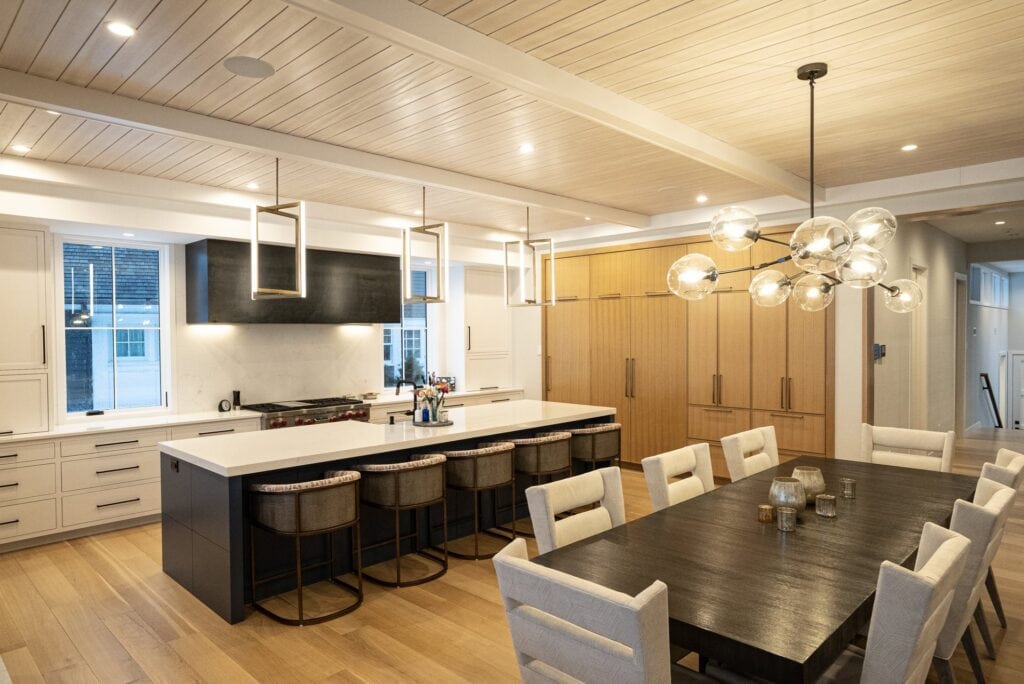
The best speaker in a beautiful room is the one nobody can find. Sonance has built its business on that idea for four decades, and it is the reason we demonstrate it rather than describe it — because the whole point of invisible speakers is that there is nothing to look at.
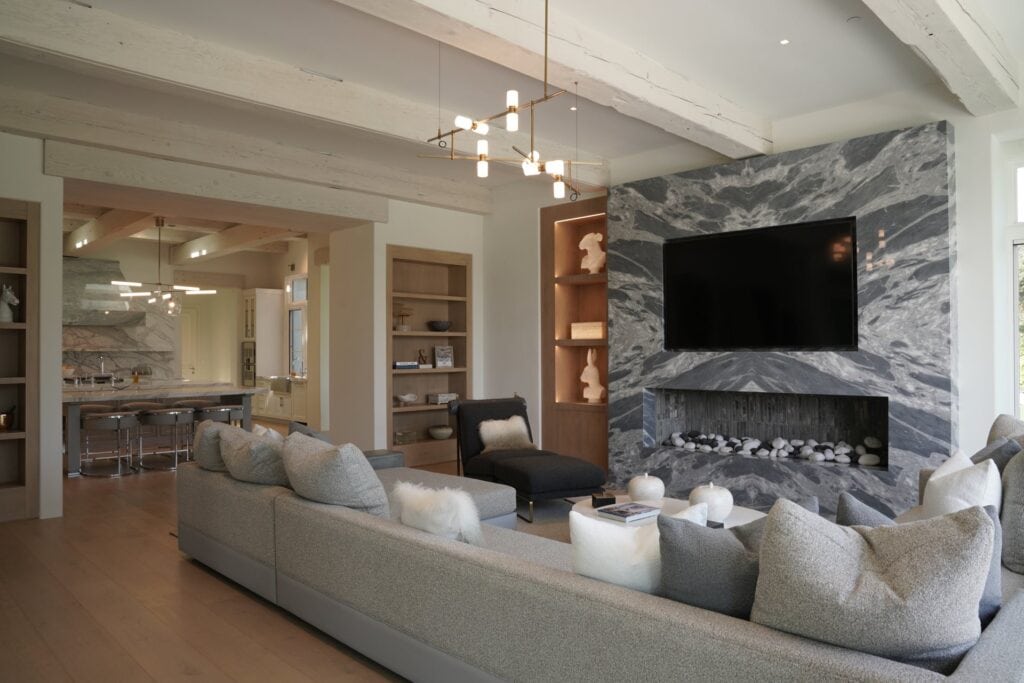
A wall, and only a wall
It does not mean small, and it does not mean discreet. The Invisible Series speaker goes into the wall or the ceiling and is then skimmed over with compound and painted — mudded in, flush with the surface. Sonance builds it to finish into drywall, plaster, wallpaper, leather and wood veneer. When the decorator has finished, there is no grille, no trim, no bezel and no rectangle. There is a wall.
And it is only 80 mm deep, which is why it fits in places a speaker has no business fitting.
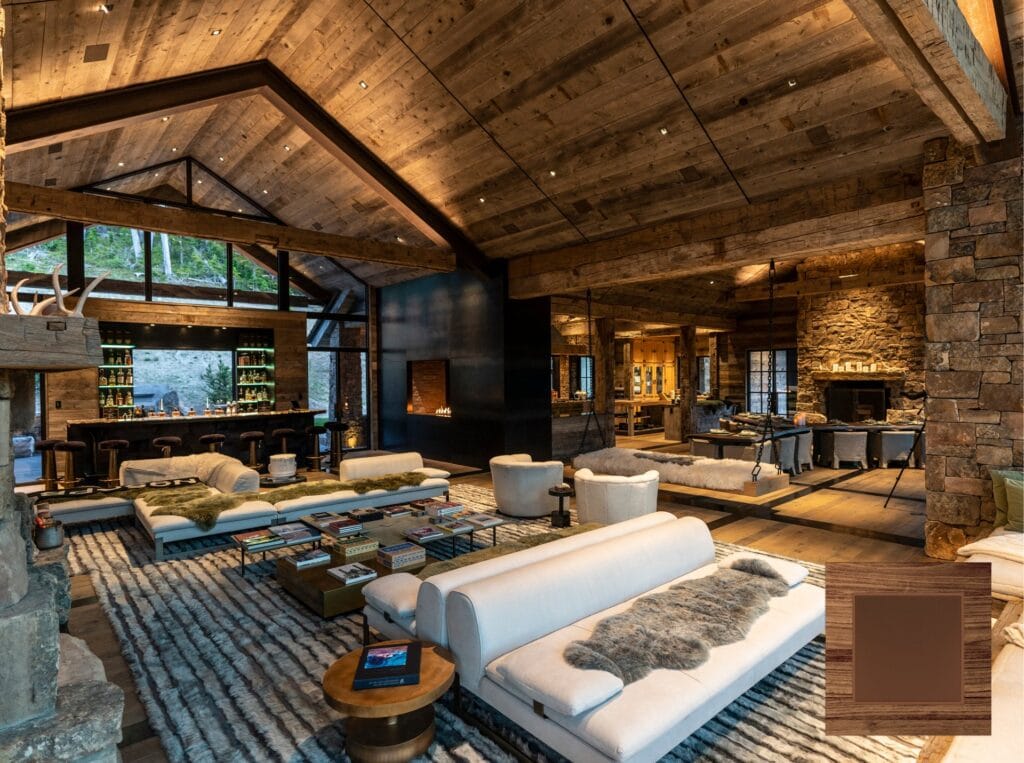
The disappearance costs you nothing
The reasonable assumption is that you pay for the disappearance with the sound. You do not. The Invisible Series runs from 35 Hz to 30 kHz on the 10-inch model, disperses across roughly 180 degrees — so the room fills rather than beaming at one sofa — and there is an in-wall subwoofer that reaches down to 32 Hz. Under the plaster.
Nobody believes this until they hear it, which is the entire reason the showroom exists.
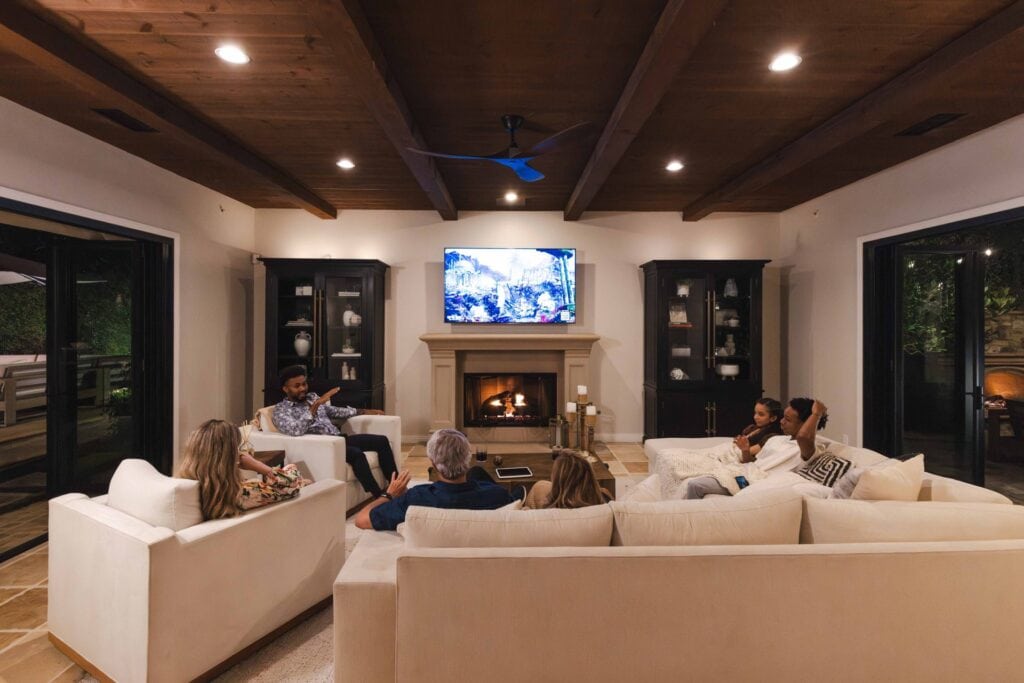
And when you do want to see something
Not every room wants nothing. Where a speaker is going to be visible, the argument becomes aperture — how small the opening in the ceiling can be while the sound still works. We keep small-aperture speakers running in the showroom next to the invisible ones, so you can hear the trade and decide for yourself which one the room deserves.
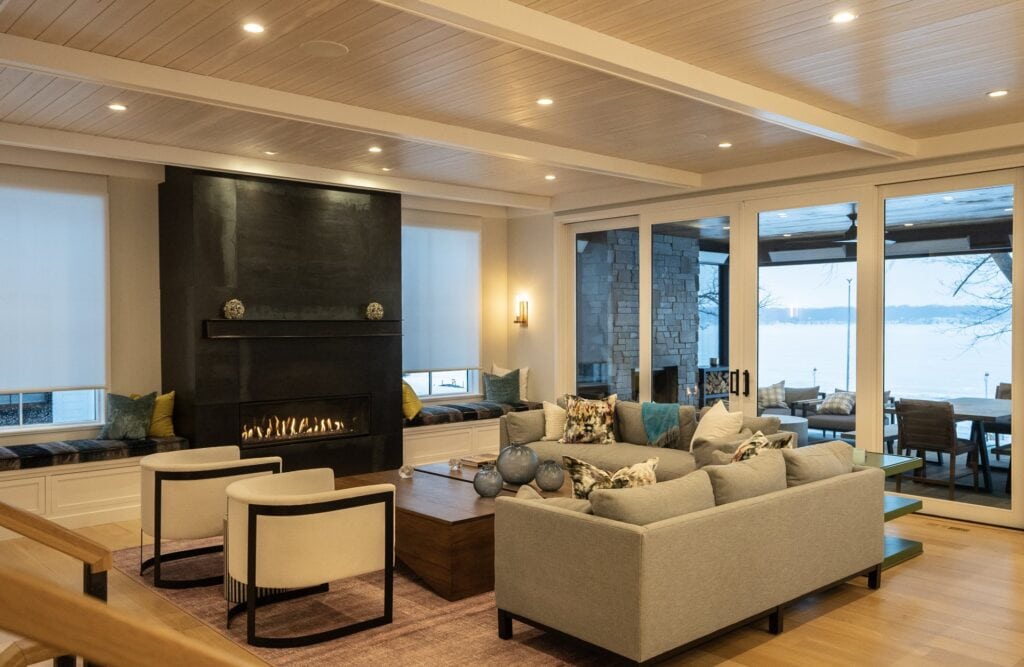
The rest of the family
Sonance owns James Loudspeaker — custom-built, made to fit an opening you specify rather than the other way round — and TRUFIG, the flush-mounting system that does to a keypad, an outlet or a touchscreen what the Invisible Series does to a speaker. IPORT puts a dedicated iPad on the wall to control the house.
➡️ The unifying idea is not audio. It is that the technology stops being an object in the room.
It already works with the light
Lutron publishes Sonance as one of the brands HomeWorks integrates with — that is Lutron’s statement, not ours. So the lighting scene, the shades and the music are not three systems being persuaded to co-operate in your living room. They are running together in ours, which is the only honest way to show it.
Hear it, then decide
A speaker you cannot see is impossible to sell from a photograph, and a specification sheet cannot tell you what a room sounds like. The Sonance system is installed and running in our Ottawa showroom — Invisible Series mudded into the wall, small-aperture and in-ceiling speakers, an in-wall subwoofer and a PowerPipe. Stand in the middle of the room and try to work out where the sound is coming from.
Almost nobody gets it right. That is the demonstration.
The sound. Not the speaker.
The Invisible Series, the small-aperture in-ceiling speakers, and the PowerPipe subwoofer are all installed and running in our Ottawa showroom. The objective is simple: to fill a room with sound without filling it with equipment. That is what the demonstration is designed to show.

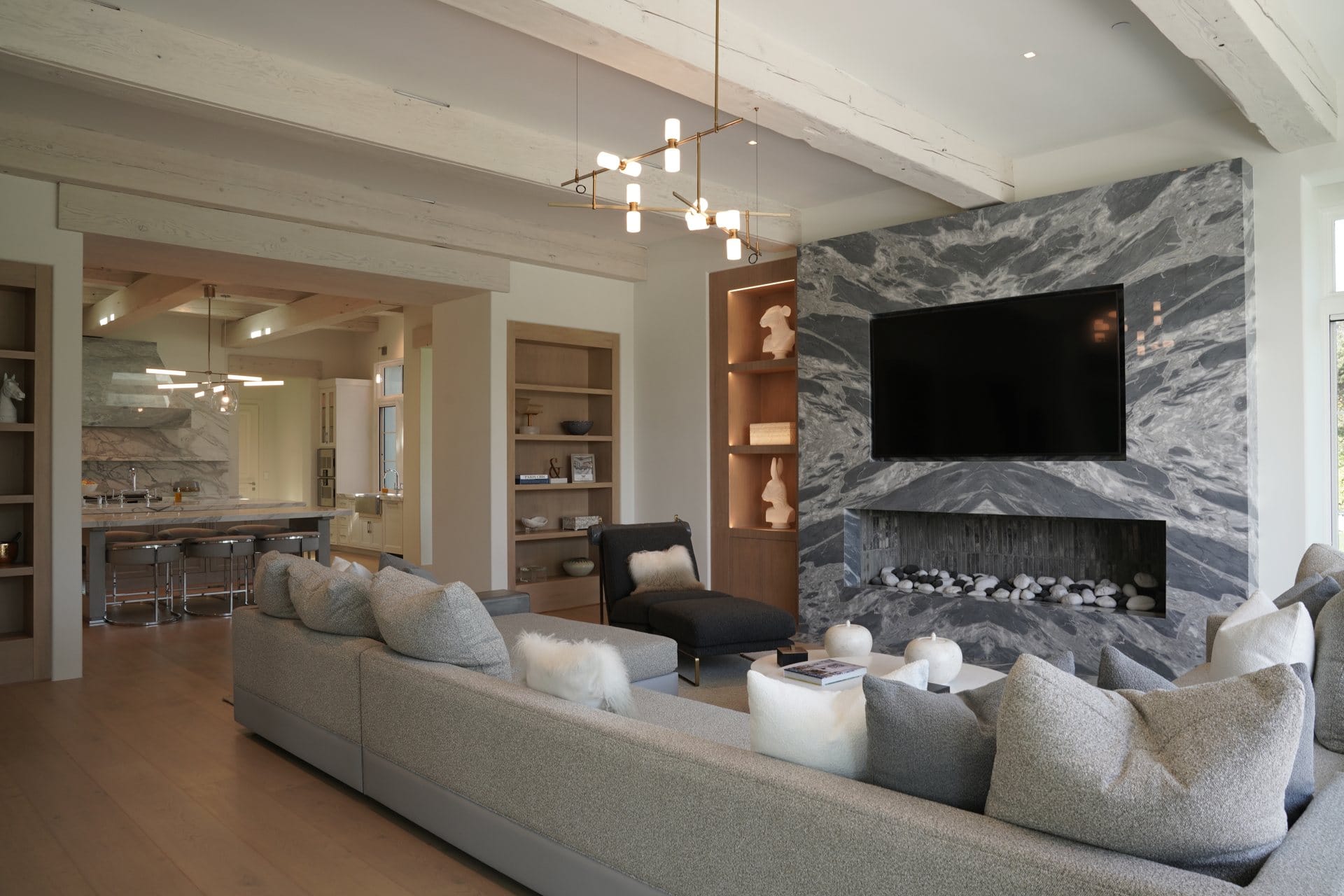
The best speaker in a beautiful room is the one nobody can find. Sonance has built its business on that idea for four decades, and it is the reason we demonstrate it rather than describe it — because the whole point of invisible speakers is that there is nothing to look at.
A wall, and only a wall
It does not mean small, and it does not mean discreet. The Invisible Series speaker goes into the wall or the ceiling and is then skimmed over with compound and painted — mudded in, flush with the surface. Sonance builds it to finish into drywall, plaster, wallpaper, leather and wood veneer. When the decorator has finished, there is no grille, no trim, no bezel and no rectangle. There is a wall.
And it is only 80 mm deep, which is why it fits in places a speaker has no business fitting.
The disappearance costs you nothing
The reasonable assumption is that you pay for the disappearance with the sound. You do not. The Invisible Series runs from 35 Hz to 30 kHz on the 10-inch model, disperses across roughly 180 degrees — so the room fills rather than beaming at one sofa — and there is an in-wall subwoofer that reaches down to 32 Hz. Under the plaster.
Nobody believes this until they hear it, which is the entire reason the showroom exists.
And when you do want to see something
Not every room wants nothing. Where a speaker is going to be visible, the argument becomes aperture — how small the opening in the ceiling can be while the sound still works. We keep small-aperture speakers running in the showroom next to the invisible ones, so you can hear the trade and decide for yourself which one the room deserves.
The rest of the family
Sonance owns James Loudspeaker — custom-built, made to fit an opening you specify rather than the other way round — and TRUFIG, the flush-mounting system that does to a keypad, an outlet or a touchscreen what the Invisible Series does to a speaker. IPORT puts a dedicated iPad on the wall to control the house.
➡️ The unifying idea is not audio. It is that the technology stops being an object in the room.
It already works with the light
Lutron publishes Sonance as one of the brands HomeWorks integrates with — that is Lutron’s statement, not ours. So the lighting scene, the shades and the music are not three systems being persuaded to co-operate in your living room. They are running together in ours, which is the only honest way to show it.
Hear it, then decide
A speaker you cannot see is impossible to sell from a photograph, and a specification sheet cannot tell you what a room sounds like. The Sonance system is installed and running in our Ottawa showroom — Invisible Series mudded into the wall, small-aperture and in-ceiling speakers, an in-wall subwoofer and a PowerPipe. Stand in the middle of the room and try to work out where the sound is coming from.
Almost nobody gets it right. That is the demonstration.
The sound. Not the speaker.
The Invisible Series, the small-aperture in-ceiling speakers, and the PowerPipe subwoofer are all installed and running in our Ottawa showroom. The objective is simple: to fill a room with sound without filling it with equipment. That is what the demonstration is designed to show.